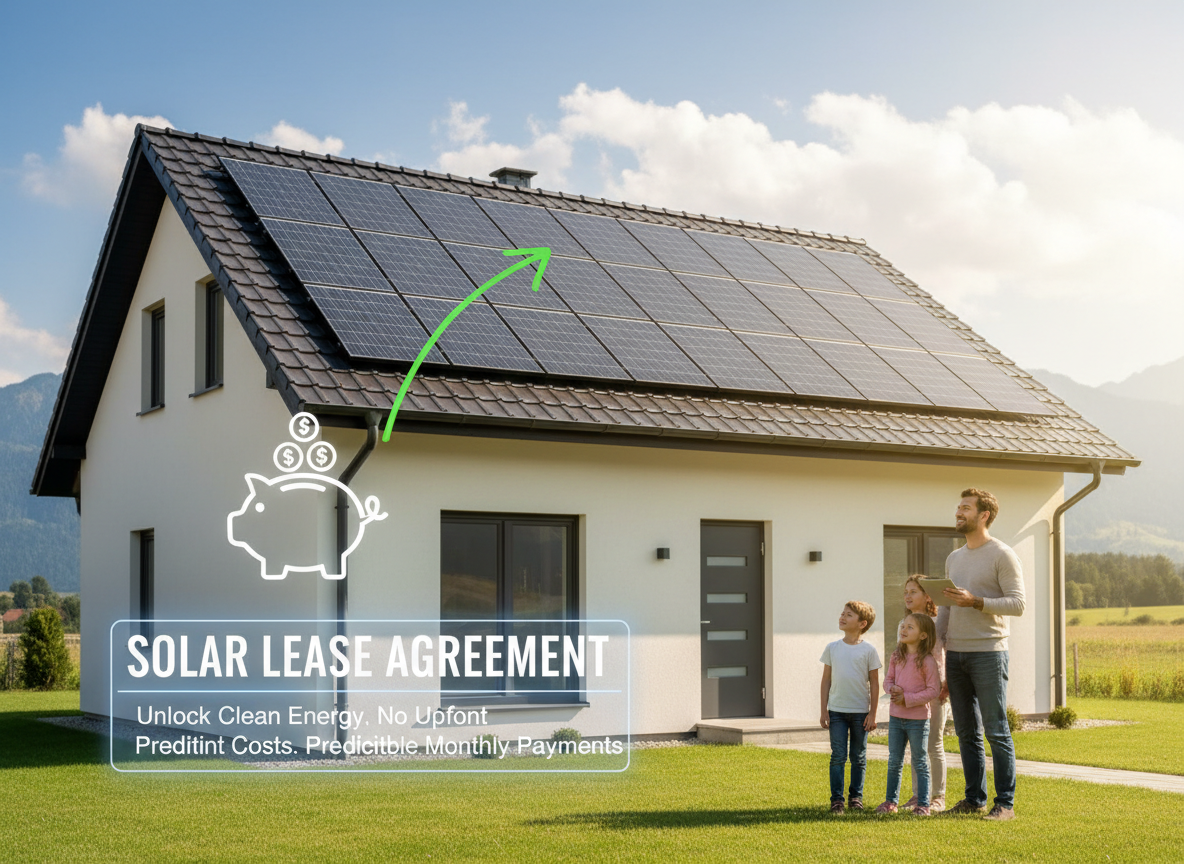
How Solar Leases Through LightReach and GoodLeap Raise the Bar in Residential Solar
Residential solar has grown up fast.
Over the past decade, more homeowners have gone solar than ever before. That growth has brought better technology and lower costs — but it’s also brought inconsistency. Not every installer operates the same way. Not every system is designed with the same care. And not every company is thinking 20–25 years down the road.
One of the biggest forces quietly improving standards in our industry isn’t talked about enough:
Institutional solar financing — especially lease platforms like LightReach and GoodLeap.
These partners don’t just make solar affordable. They bring structure, oversight, and long-term accountability that benefits homeowners and strengthens the entire market.
Here’s how.
Solar Used to Be More Transactional
In the early days of residential solar, most projects were cash deals or simple loans. Once the system was installed and paid for, the transaction was largely complete.
For many homeowners that worked out fine. But structurally, there wasn’t always much oversight beyond the installer and the sales agreement.
That sometimes led to:
- Aggressive production estimates
- Inconsistent install quality
- Weak documentation
- Limited long-term service planning
Solar systems aren’t short-term products — they’re 25-year energy assets. When they’re treated like one-time transactions, accountability can stop once the install is done.
Lease platforms changed that dynamic.
When a Financing Company Owns the System, Standards Go Up
With a lease through LightReach or GoodLeap, the financing partner typically owns the system while the homeowner benefits from the power it produces.
That ownership structure changes incentives in a big way.
If a financing company owns thousands of systems across the country, those systems need to:
- Be designed accurately
- Produce what they’re modeled to produce
- Be installed correctly
- Be properly documented
- Perform long term
If they don’t, it’s not just a customer complaint — it impacts a financial portfolio.
That added layer of scrutiny raises the bar. Installers operating within these programs have to meet strict requirements, because the capital behind the project demands it.
Institutional Capital Doesn’t Tolerate Sloppiness
Large financing platforms manage solar as long-term assets. That means they typically require:
- Verified production modeling
- Engineering review
- Utility interconnection compliance
- Complete permitting documentation
- Quality control standards
These aren’t optional. They’re part of the funding process.
When millions of dollars are backing solar portfolios, there’s no room for corner-cutting. Systems have to be built correctly — not just to pass inspection, but to perform for decades.
That pressure helps eliminate short-term thinking.
Built-In Performance Oversight
Another major difference with lease-backed systems is long-term monitoring.
Because the financing partner has an ongoing interest in system performance, production is tracked. If there’s underperformance or an issue, it’s visible.
This creates:
- Transparency
- Measurable accountability
- Proactive problem detection
Solar shouldn’t be “install it and forget it.” Ongoing monitoring ensures systems keep delivering the savings homeowners expect.
Financing Partners Vet Installers
Not every installer can simply decide to offer lease products through major financing platforms. There’s a vetting process.
While every platform is different, they generally evaluate things like:
- Licensing and insurance
- Installation standards
- Operational capacity
- Compliance processes
- Track record
This doesn’t replace doing your own homework as a homeowner — but it does add an extra layer of screening.
Fly-by-night companies don’t thrive in environments where documentation, compliance, and long-term servicing matter.
Leases Align Long-Term Interests
There’s a common misconception that leases are somehow a “lesser” option compared to ownership.
In reality, they just align incentives differently.
When a third party owns the system:
- Performance matters long term
- Monitoring is built in
- Production expectations must be defensible
- The asset owner has skin in the game
Because the financing partner’s return depends on the system performing, there’s built-in motivation to ensure the design and installation are done right from day one.
That alignment creates discipline — and discipline creates accountability.
Accountability Comes From Structure, Not Promises
Marketing claims don’t create accountability. Structure does.
When solar is financed through institutional platforms like LightReach and GoodLeap:
- Production assumptions are reviewed
- Documentation must be complete
- Compliance standards must be met
- Install quality has to hold up
- Long-term servicing frameworks exist
Those structural requirements reduce variability and raise expectations across the board.
And that’s good for homeowners.
What This Means If You’re Considering Solar
If you’re evaluating solar, financing structure might not seem like the most exciting topic — but it has a real impact on long-term reliability.
Lease programs backed by established financing partners can provide:
- Clear contractual terms
- Defined performance expectations
- Ongoing monitoring
- Institutional oversight
- Long-term servicing infrastructure
Solar is a 20–25 year decision. It makes sense to work within a framework that’s designed to support a 20–25 year asset.
Why We Embrace This Model
Operating within financing platforms like LightReach and GoodLeap requires discipline. It means tighter documentation, clear modeling, compliance standards, and quality control.
We’re good with that.
Higher standards protect homeowners. They also protect the reputation of solar as an industry.
Residential solar has moved past its “Wild West” phase. Institutional financing has helped turn solar from a one-time transaction into a managed energy asset.
And that shift — toward accountability, transparency, and long-term performance — is exactly what this market needs.