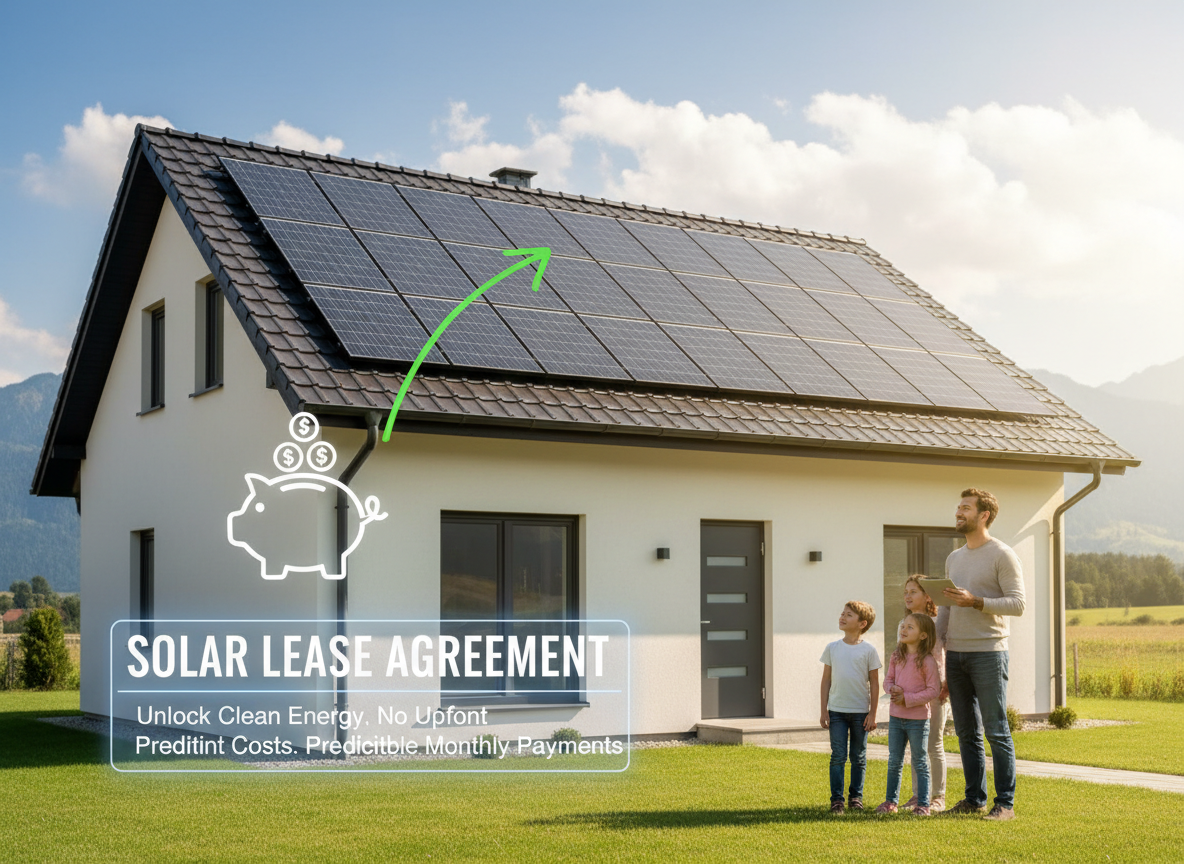
A hybrid solar system represents a cutting-edge approach to energy management, combining the best attributes of both grid-tied and off-grid solar systems. This solution provides homeowners and businesses with enhanced flexibility and reliability in their energy use. Unlike traditional grid-tied systems that depend entirely on the utility grid for backup power or off-grid systems that solely rely on batteries, hybrid systems seamlessly integrate both aspects. This results in a more resilient and efficient energy solution tailored to meet your energy needs.
One of the standout features of a hybrid solar system is its capability to store excess energy generated by solar in batteries, such as the Tesla Powerwall 3. When solar panels produce more electricity than is needed—such as during sunny days—the surplus energy is stored for later use. This functionality significantly reduces dependency on the electrical grid. It ensures a continuous power supply even during outages or periods of limited sunlight, such as at night or on cloudy days. This energy storage capability provides peace of mind and enhances energy security.
In addition to energy storage, hybrid systems boast advanced energy management capabilities. They can intelligently oversee energy consumption by prioritizing using solar power first, utilizing stored battery power next, and then drawing from the grid when necessary. This strategic approach not only optimizes the use of renewable energy but also minimizes electricity costs by lessening consumption during peak grid hours, ultimately leading to significant savings on utility bills.
Hybrid solar systems present an efficient, flexible, and eco-friendly solution to the modern energy landscape. By harnessing the benefits of both grid-tied and off-grid systems, they empower users with reliable power, lower electricity costs, and a reduced environmental impact. As the demand for renewable energy solutions continues to rise, hybrid solar technology stands out as a key player in transitioning to a more sustainable future.